
How will SDVs transform the way we drive?
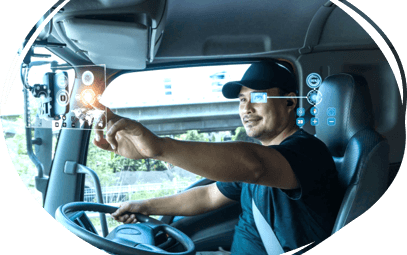
The cars of the future will no longer be merely mechanical machines, but intelligent digital platforms that update automatically to enhance performance and adapt driving to real-time conditions.
Software-Defined Vehicles (SDVs) are revolutionizing the automotive industry, driving a shift that places software at the core of vehicle development.
Today, 90% of innovation in the automotive sector is software-driven, determining how vehicles behave, which features they offer, and how they adapt to different driving styles.
According to Tata Consultancy Services (TCS), a modern car may contain around 100 million lines of code—a figure expected to reach 300 million by 2030.
A Paradigm Shift
This evolution marks a true paradigm shift: manufacturers have moved beyond focusing solely on hardware—such as engines and bodywork—to prioritize intelligent digital systems that enhance the experience for both drivers and passengers.
Among the most significant advantages of SDVs is their ability to anticipate potential failures through embedded intelligence, enabling preventive maintenance and reducing associated costs.
Additionally, these vehicles can receive over-the-air updates—just like mobile apps—eliminating the need to visit a service center.
SDVs will also offer a high degree of personalization, adjusting to each user’s driving style, entertainment preferences, and even external conditions such as weather and traffic.
Enhanced Safety Through AI
In terms of safety, features like automatic emergency braking and cyclist detection in blind spots are being refined using artificial intelligence—enhancing protection not only for occupants, but also for pedestrians and other road users.
Anupam Singhal, President of Manufacturing and Business Group Leader at TCS, emphasizes:
“The shift to software-defined vehicles marks a turning point for the automotive industry. It is a critical milestone toward future-ready mobility, where software, engineering, and AI-driven design converge to deliver safer, more personalized, and ever-evolving driving experiences.”

|
|