
AI and digitalization redefine the concept of healthcare
Artificial intelligence and digitalization are transforming healthcare. Cirion Technologies highlights how these technologies are redefining the healthcare sector.
Digital technology is revolutionizing the
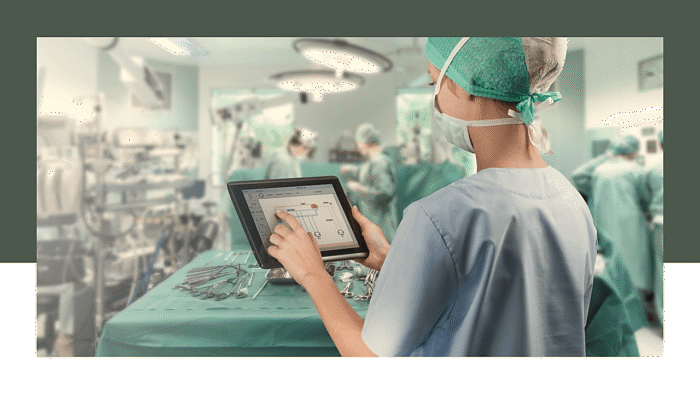
healthcare sector, with innovations such as chatbots, artificial intelligence (AI), and telemedicine, which optimize both patient care and the resources of healthcare facilities.More and more hospitals and healthcare centers are implementing digital tools to reduce wait times, streamline diagnoses, and provide real-time assistance.
A clear example of this trend is virtual assistants, which are already integrated into various medical platforms. These assistants allow for answering queries, scheduling appointments, and guiding patients through administrative processes more efficiently.
Innovation in the Healthcare Sector.
Regarding this transformation, Alejandro Girardotti, Senior Director of Product, Innovation, and Strategic Partnerships at Cirion Technologies, highlights:
“The adoption of AI-based solutions not only optimizes the internal processes of medical institutions but also enables offering a more agile and personalized experience to patients. Digitalization in healthcare is key to closing care gaps and ensuring timely access to medical services.”According to IDC, the global artificial intelligence market, valued at approximately 235 billion dollars in 2024, is projected to exceed 631 billion dollars by 2028. In Latin America, the growth of this technology is also significant, driven by its adoption across various sectors, including healthcare.
AI Revolutionizes Medicine.
Artificial intelligence has enabled the automation of processes that previously required direct intervention from healthcare professionals.
Thanks to advanced algorithms, systems can now analyze large volumes of clinical data to detect patterns, predict diseases, and suggest evidence-based treatments.
In some cases, models have been developed that can interpret medical images with accuracy comparable to that of specialists, accelerating the detection of pathologies such as cancer or cardiovascular diseases.
Meanwhile, the evolution of chatbots goes beyond simple text-based assistants. With natural language processing technologies, these systems can hold fluid conversations with patients, answer questions about symptoms, and offer recommendations based on medical protocols.
In some hospitals, these tools have been integrated into management platforms to optimize user care and reduce the operational burden on administrative staff.
Challenges in Implementation.
Telemedicine has also gained ground. Digital platforms enable people in remote areas to receive specialized care without needing to travel.
In regions with low medical coverage, connectivity becomes a bridge between patients and healthcare professionals, reducing barriers to care access.
However, digital transformation in the sector faces challenges. Cybersecurity and data privacy are critical aspects in the adoption of these technologies.
Aware of this reality, Cirion Technologies adapts to the environment by offering solutions such as AI-powered chatbots, supported by the company’s robust ecosystem through the integration of its data centers, cybersecurity, and high-performance connectivity.
Girardotti adds:
“Platforms incorporating artificial intelligence in the healthcare sector are designed with cutting-edge cybersecurity protocols. Data encryption, biometric authentication, and real-time monitoring are just some of the measures that ensure the protection of patients’ sensitive information.”
In the month when World Health Day is celebrated, it is important to highlight that technological advancement in healthcare is unstoppable, and its impact will continue to grow in the coming years. The combination of artificial intelligence, automation, and remote access promises more efficient and accessible care for millions of people, redefining the way medical care is conceived in the digital era.

|
|